Auto battery policies show how Thailand is trying to scale the economic ladder

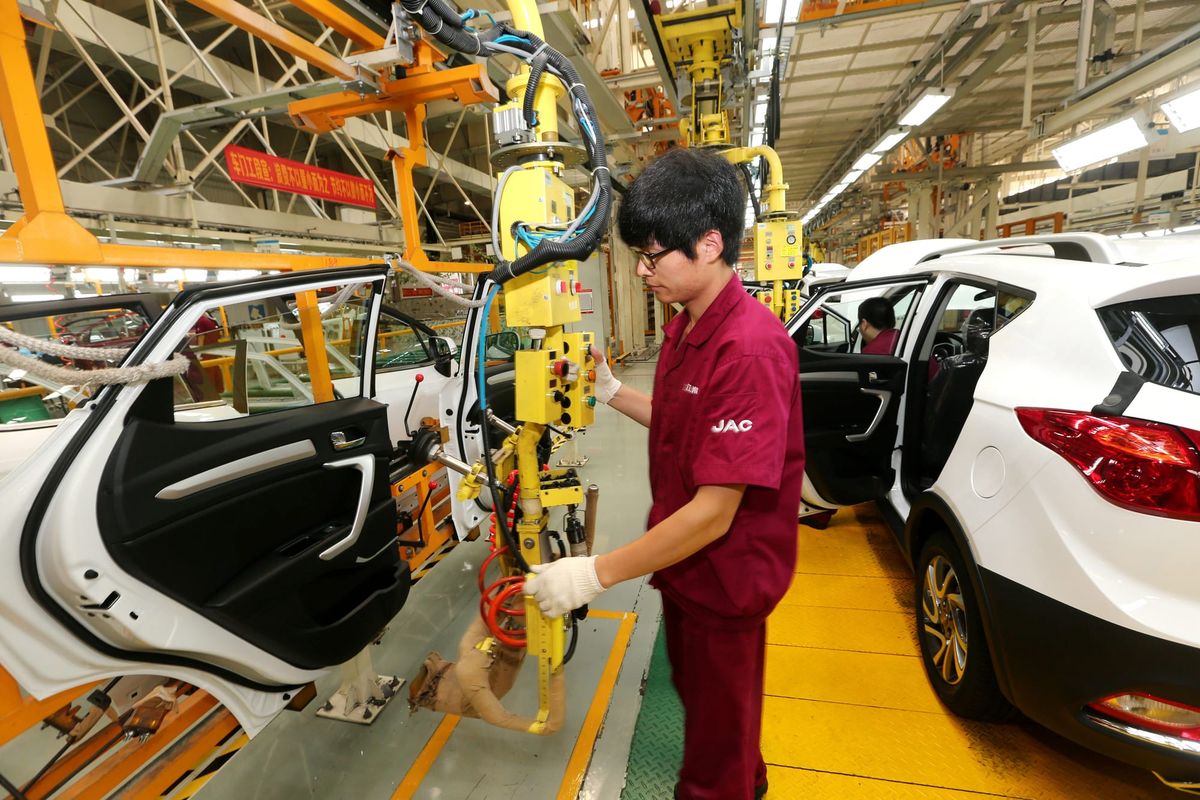
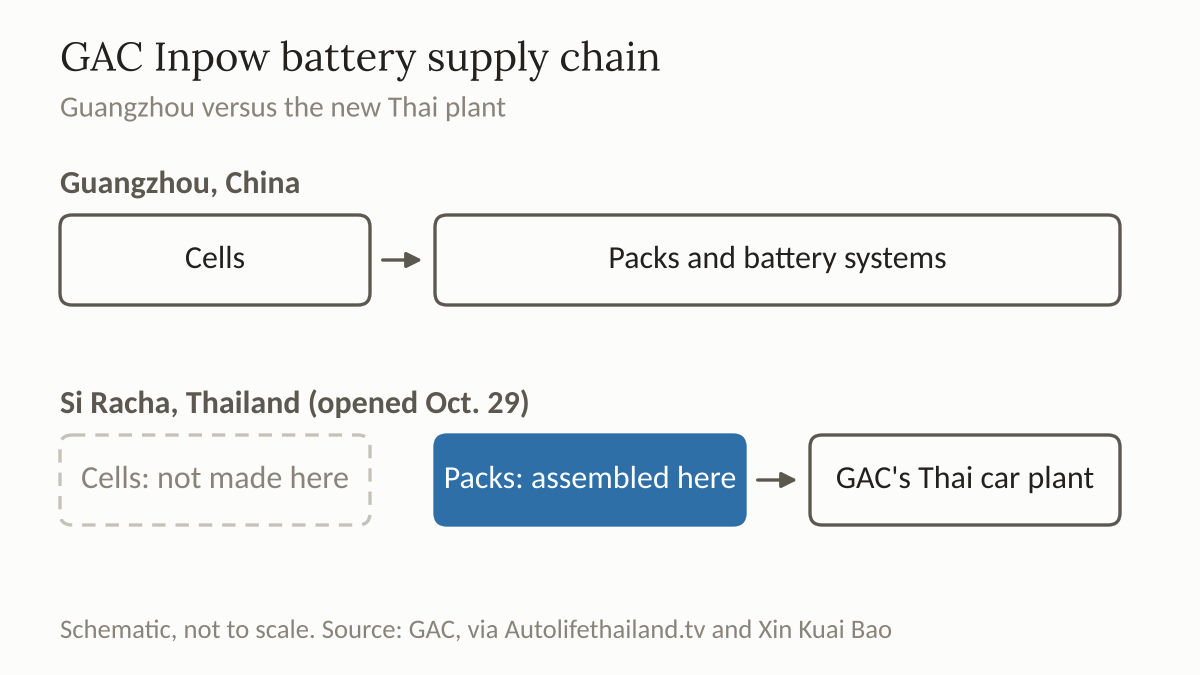
A recent article in this publication about a Chinese auto manufacturer, GAC Group (广汽集团), setting up battery assembly near Bangkok shows something else going on: Thailand is moving up the economic ladder, and has created incentives (or punishments, depending on how you view the regulations) to increase the number of domestically produced battery cells used in EVs.
I first heard the concept articulated at an MIT macroeconomics class with Professor Simon Johnson. In a nutshell, countries are constantly striving to "move up the ladder" into higher value goods and services. Recent examples can be found in countries like South Korea, Taiwan, Japan, and China. Going further back in history we can find similar patterns in regions of the United States, where the Industrial Revolution transformed the economies of formerly rural states from New England to the Midwest.
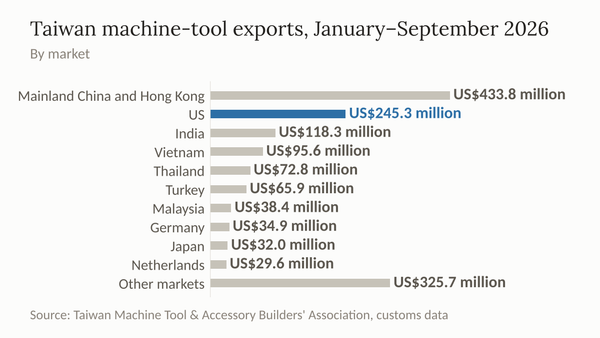
Taiwan provides many examples of industries moving up the ladder. In the 1980s it was the world's top producer of Christmas lights. Now it's a semiconductor powerhouse that continues to transform its entire manufacturing sector.
Xmas lights and other low-end manufacturing moved decades ago to China, even as the factory ownership remained in the hands of Taiwanese firms. Now the lower-end manufacturing activity is shifting to South East Asia as China moves up the ladder into advanced manufacturing of robots and specialized electronic components.
Back to battery packs: It's clear Thailand welcomes such investments, but it doesn't want to only do final assembly. It has set up incentives to establish local manufacture of the advanced cells used in cars. But China (and Chinese companies) will do it on their own terms and timeline.
Meanwhile, Thailand doesn't only have its sights set on battery manufacturing. It recently revealed a national strategy to grow a semiconductor industry. The initiative "targets about $80 billion in cumulative investment and about $150 billion in annual industry revenue by 2050," and aims to create more than 230,000 new jobs.
 Cbot Crew