Seoul steers factories toward standard data formats for AI
A draft national standard tells factories to describe robots and sensors from shared templates, so AI can learn from their data.

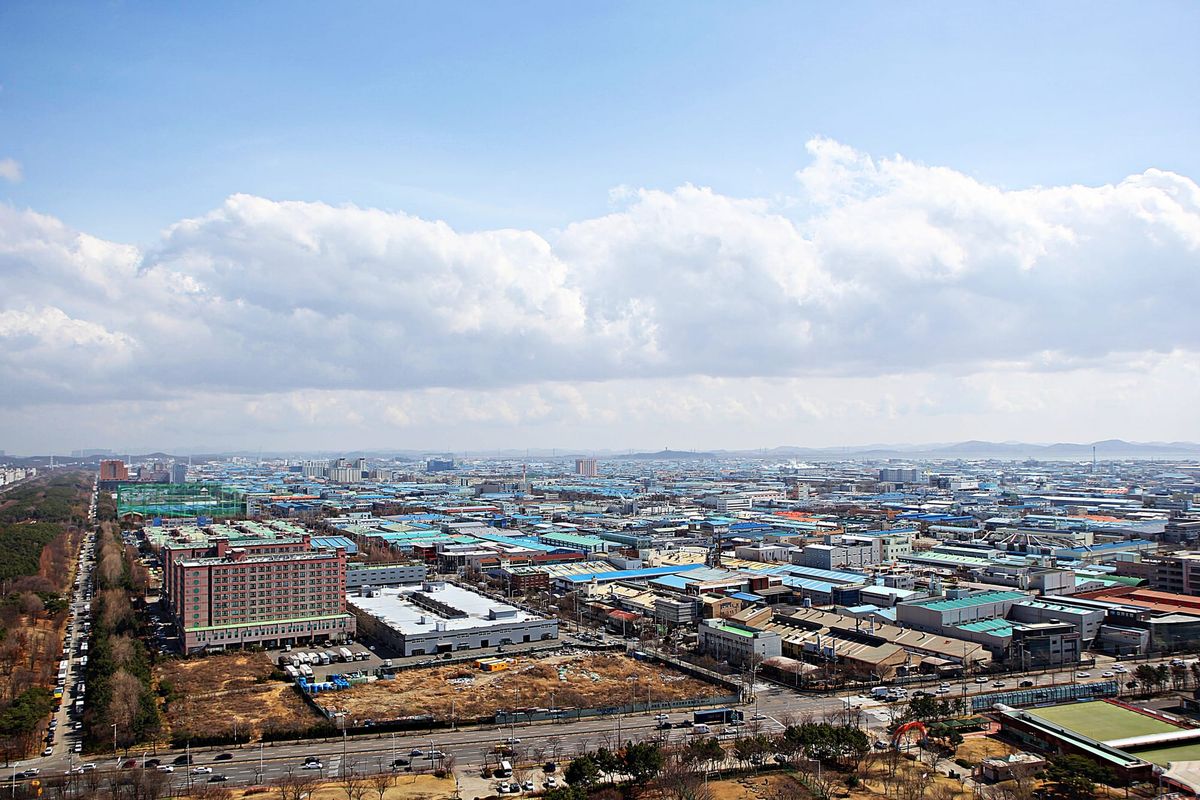
South Korea wants its factories to stop recording machine data each in their own way. The Korean Agency for Technology and Standards (KATS, 국가기술표준원), the standards agency of the Ministry of Trade, Industry and Resources (산업통상부), has drafted a Korean Industrial Standard that guides companies in describing data from robots, sensors and assembly lines in one consistent form, so AI can learn from it. It held a hearing on the draft on Nov. 20.
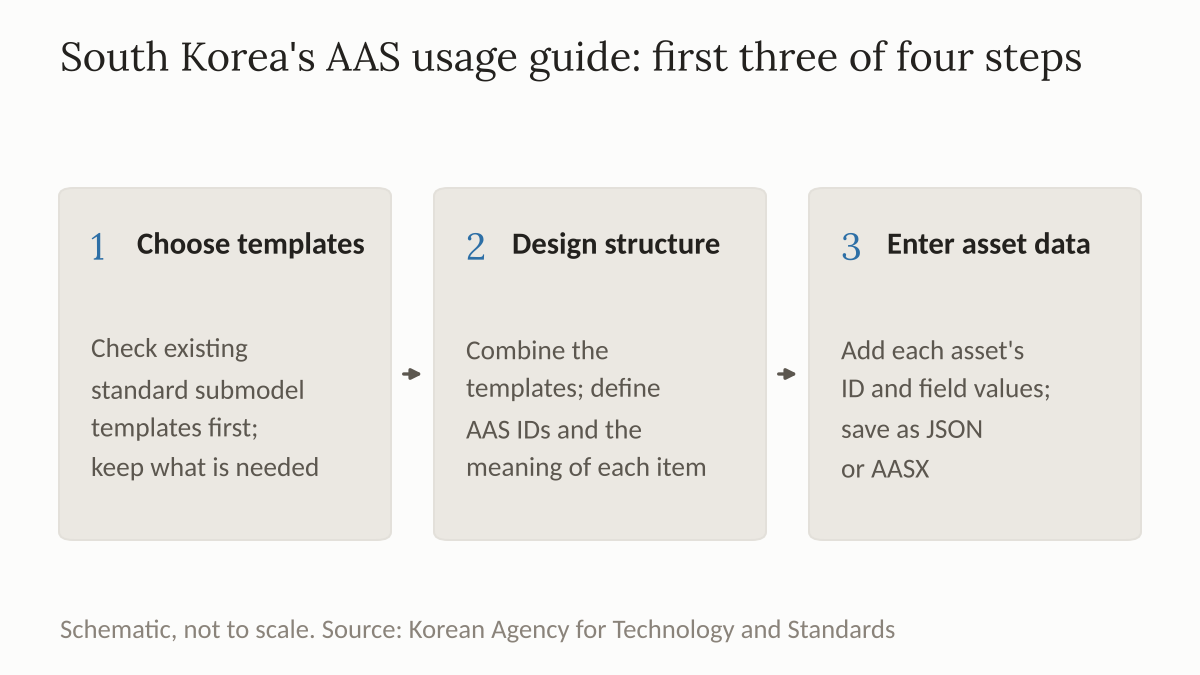
The guide builds on the Asset Administration Shell (AAS), a standard digital description of a machine and its information. The International Electrotechnical Commission (IEC) published its structure standard in December 2023. Users apply its data structures differently, so the same data sits under different names and structures at each site, KATS said in its release.
The draft tells companies not to start from scratch but to first check existing general-purpose templates, such as those of Germany's Industrial Digital Twin Association (IDTA, 산업디지털트윈협회). It sets checks for identifiers, the meaning and units of each data item, template versions and file formats.
KATS drafted the guide with the Korea Electronics Technology Institute (한국전자기술연구원) and seven other companies, universities and organizations, and plans to finalize it in the first half of 2027. The release names no obligation to follow the guide and ties it to no subsidy or purchasing rule. Korean Industrial Standards are generally voluntary, though government regulations often reference them and public agencies use them in procurement, according to the Standards Portal.
Korea also wants a say in international rules. In July, KATS said South Korea had taken the secretariat of a new IEC subcommittee on smart manufacturing, which will write standards for digital-twin factories and autonomous manufacturing.
Sources
- 산업통상부 국가기술표준원 Korean Agency for Technology and Standards (press release)
- 국가기술표준원 Korean Agency for Technology and Standards (release PDF with attachments)
- IEC Webstore (IEC 63278-1:2023)
- 국가기술표준원 Korean Agency for Technology and Standards (press release, SC65F)
- 헬로티 HelloT
- 헬로티 HelloT
- Standards Portal (Republic of Korea: Standards used in Korea)
Editor: Ian Lamont