BAIC to drop battery-swap stations, switch to CATL
BAIC’s parent says swapping is asset-heavy and costly for a carmaker, while a big battery maker can run it at scale.

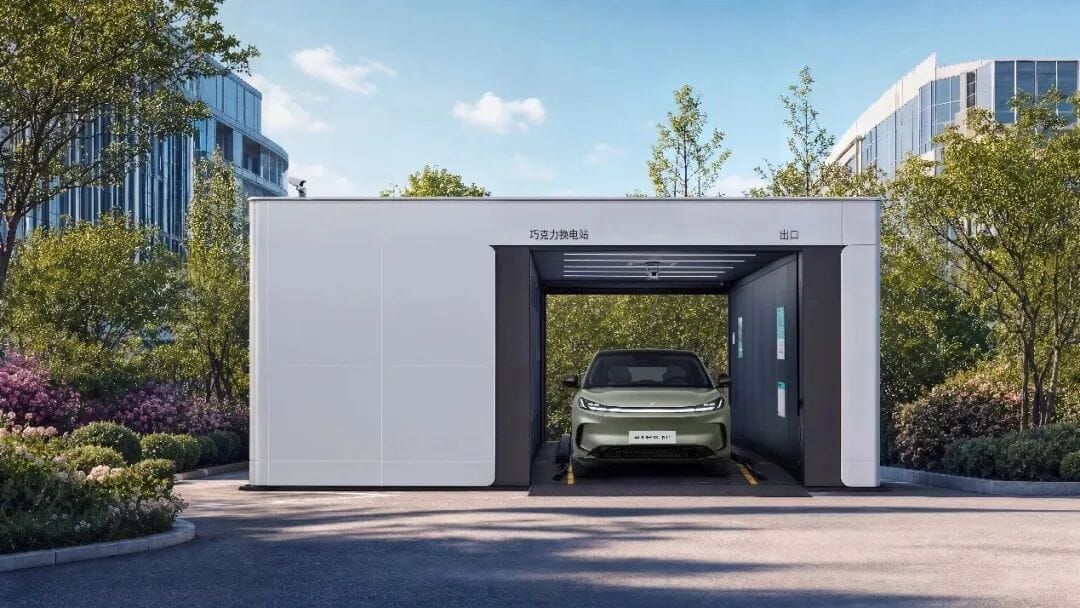
BAIC is getting out of owning battery-swap stations. It plans to auction 112 of them through a subsidiary, and work with battery maker CATL’s swap network instead.
BAIC Motor (北京汽车), the group’s Hong Kong-listed carmaker, called the stations non-core and set a floor price of about 277.9 million yuan (about US$39 million) on Beijing’s state-asset exchange, it said in a Nov. 17 filing. A sale at that price would add about 3.52 million yuan (US$0.5 million) to its profit.
The filing names no buyer and doesn’t mention CATL. But the same day, its parent, BAIC Group (北汽集团), said swapping is asset-heavy and costly for a carmaker to maintain, while a leading battery maker can run it at scale. On Oct. 22 the group agreed to put its brands’ cars on CATL’s Choco-swap network and to push “professional integration” of swap assets with CATL, Xinhua Finance reported.
The sale reverses a purchase from 20 months ago. In March 2025, BAIC paid 129 million yuan (about US$18 million) for the equipment of 40 swap stations, bought from a swap company that BAIC Group controls 30% of indirectly. BAIC said at the time that running stations “that mainly serve the company’s swap vehicles” would make swapping in Beijing more stable. The filing doesn’t say whether those 40 are among the 112.
Battery swapping replaces a car's depleted battery pack at a station instead of charging it. CATL expects to have 6,000 Choco-swap stations in 297 cities by 2027, Yiche (易车) reported from a Nov. 13 car launch.
Sources
- 北京汽車 BAIC Motor (HKEX filing)
- 北京汽車 BAIC Motor (HKEX filing, eastmoney mirror)
- 新华财经 Xinhua Finance
- 易车 Yiche (on ifeng)
Editor: Ian Lamont