Geely's methanol-electric dump trucks join Zhejiang road works
In trial hauls, their energy cost was nearly 50% lower than diesel trucks', according to a report on the delivery.

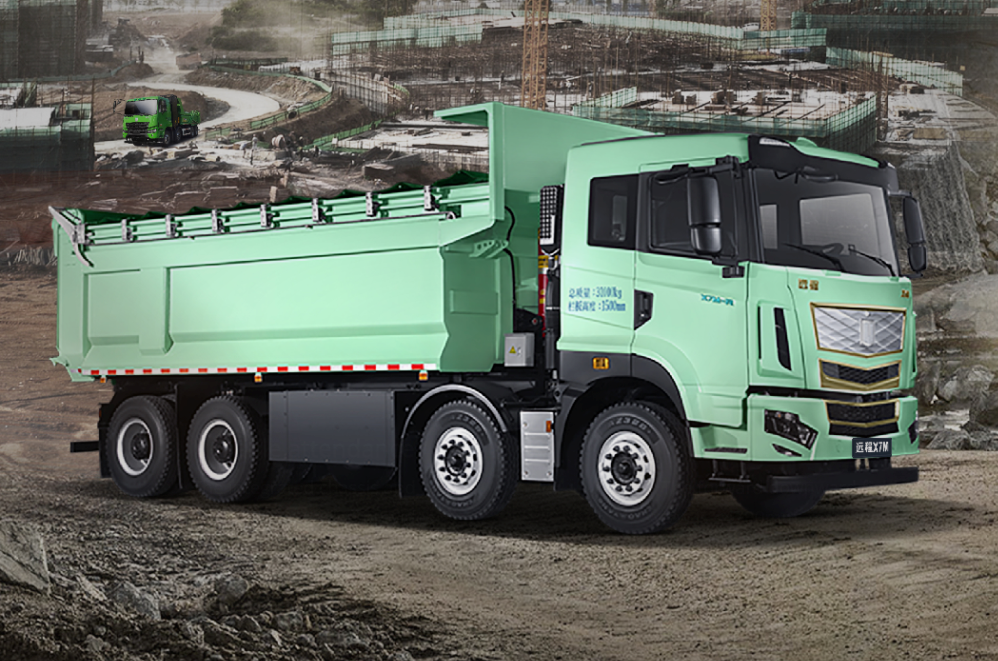
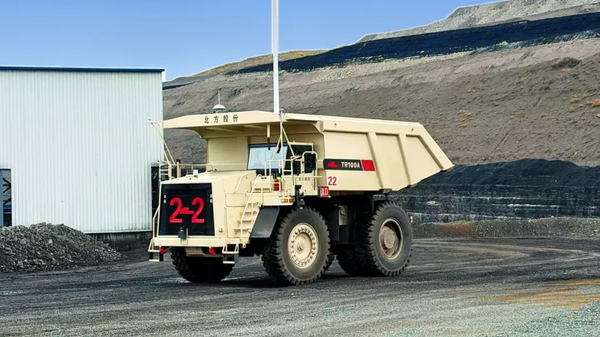
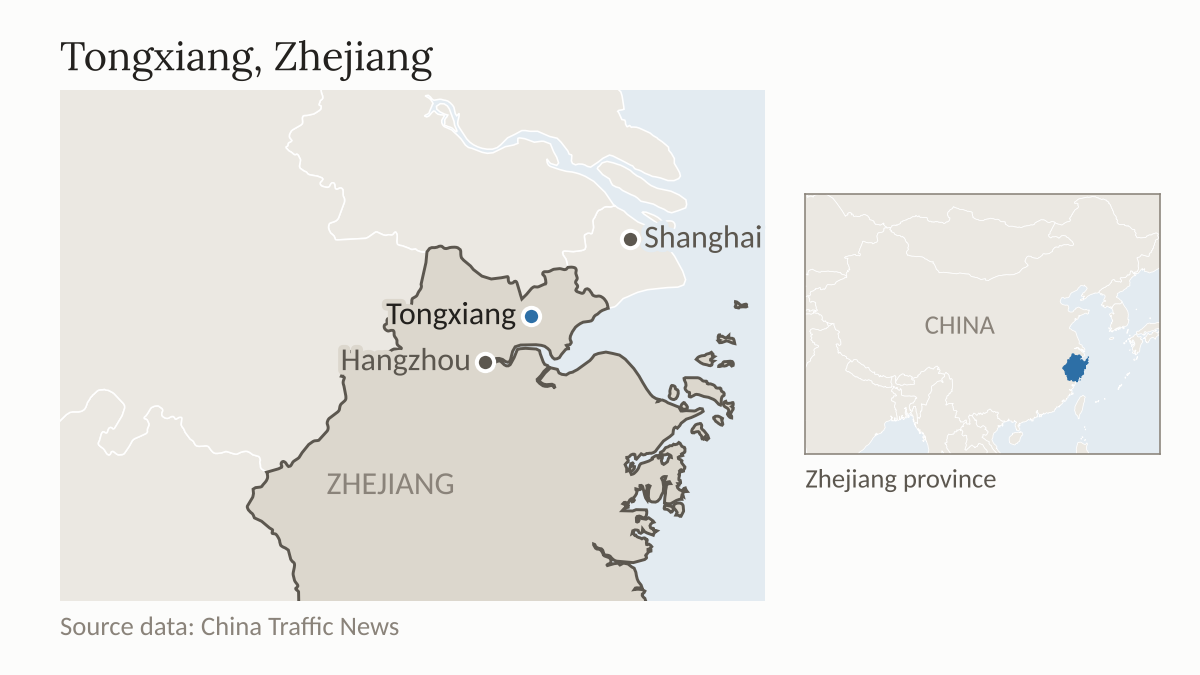
Geely Farizon (吉利远程), the commercial-vehicle arm of China's Geely Holding Group, has delivered a batch of methanol-electric dump trucks for municipal road works in Tongxiang, a city in northern Zhejiang province. The Nov. 23 handover comes as Zhejiang plans to put such trucks on roads across the province from 2026 to 2030, according to a report on the delivery.
The trucks, Farizon's X7M model, burn methanol in an onboard power unit, and electric motors drive the wheels, according to a report carried by China Traffic News (中国交通新闻网). Refueling takes five minutes, and range is more than 500 km (about 310 miles), the report says.
The buyer is Zhejiang Weikesai New Material Technology (浙江威克赛新材料科技有限公司), which handles haulage for the road projects. Tongxiang Construction Investment Group (桐乡建投集团), a state-owned infrastructure company, brokered the purchase through a group-buying platform it set up for electrified heavy trucks.
In trial runs hauling sand and gravel from a Tongxiang wharf to an asphalt plant, and asphalt on to work sites, energy cost about 2 yuan per km, nearly 50% less than for diesel trucks doing the same work, the report says.
Methanol-electric heavy trucks already run in Hangzhou, Ningbo and other Zhejiang cities, the report says. Farizon's methanol-electric dump trucks debuted in Shanghai, where the city's first methanol refueling station opened less than three months later, Xinhua reported.
The National Development and Reform Commission listed a Hangzhou-led Geely methanol vehicle-and-ship project as a national showcase, Hangzhou Net (杭州网) reported. The project plans to deploy at least 1,000 commercial vehicles and vessels and build 4,000 methanol refueling stations nationwide.
Cost and ease of refueling are key to whether methanol trucks can be used at scale in city construction, according to Xinhua.
The delivery report doesn't say where the Tongxiang trucks refuel or how their methanol is made. Methanol can be made from coal, biomass, captured carbon dioxide or green hydrogen, according to China Daily. China had more than 60,000 methanol vehicles on its roads in 2025, about two-thirds of them commercial vehicles, China Daily reported.
Sources
Editor: Ian Lamont